ServicesEquipment Sales
Loading Dock Equipment Sales in Mahanoy City
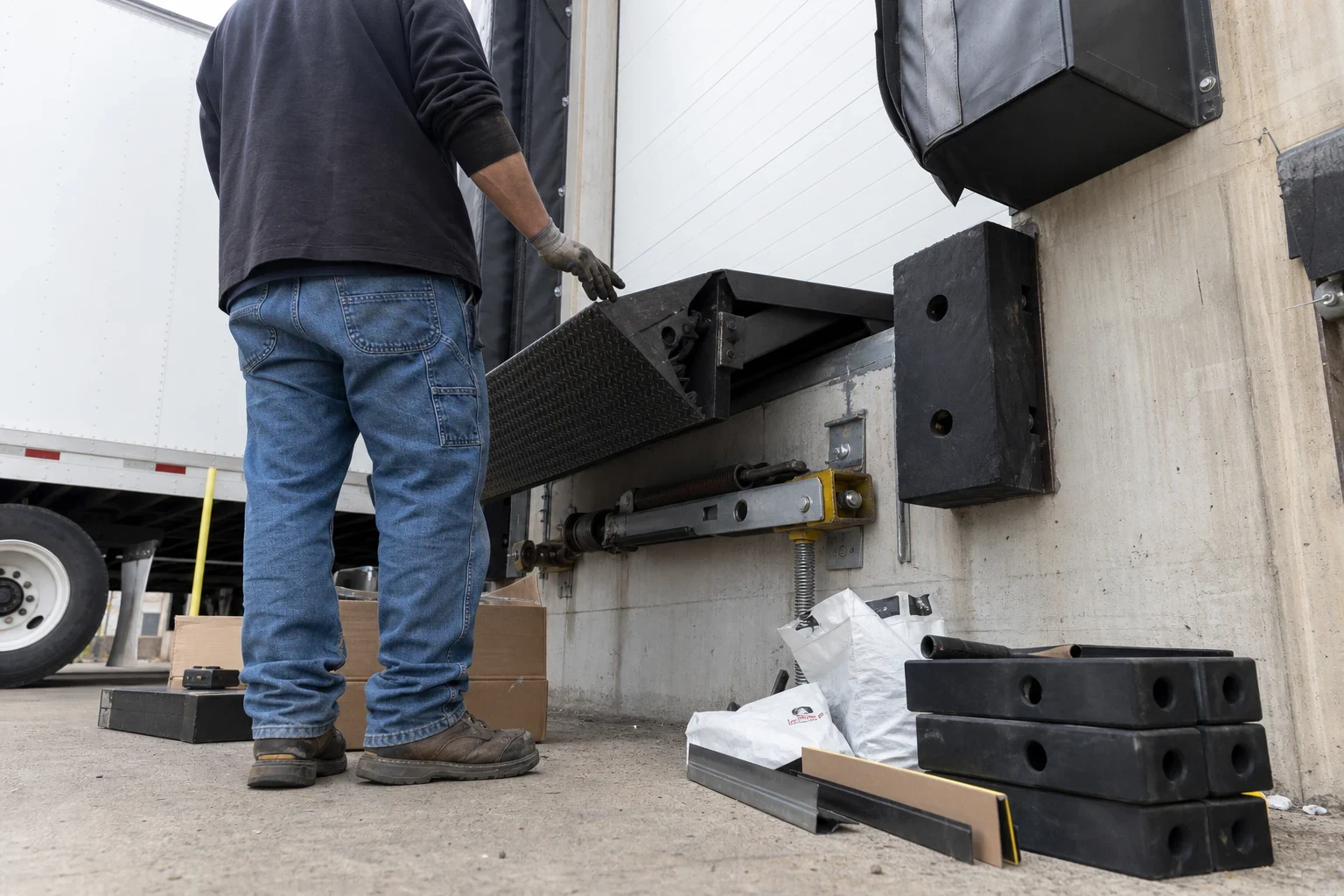
We help warehouses, plants and receiving docks buy the right dock leveler, vehicle restraint or door the first time. We measure your pit and trailer heights, check the capacity you actually need, and flag the code and inspection items before anything is ordered.
Buying dock equipment that fits your trucks and your building
Most bad dock purchases come from a catalog number picked without a tape measure. A leveler with too short a lip won't reach a high-deck reefer trailer. A 25,000-pound unit under daily forklift traffic with loaded pallets cycles itself into cracked hinge welds. We start from what crosses your dock: trailer bed heights, forklift weight plus load, and how many cycles a shift runs.
Code matters at the purchase stage, not just at install. Dock levelers are built to the ANSI MH30.1 standard, and OSHA expects trailers to be secured against creep and early departure while forklifts are loading. Pit modifications, new electrical circuits and door openings can need a building permit under the Pennsylvania Uniform Construction Code, which the local municipality administers. We tell you which of these apply before you sign, so the price you approve covers the whole job.
Equipment we sell carries a 10-year manufacturer warranty, and we can handle the work afterward through our Loading Dock Equipment Installation service.
What our equipment sales service covers
Site survey and measurements
We measure pit length, width and depth, dock height above the drive, bumper projection and door opening size. We also note slope on the approach, since a pitched drive changes the trailer height at the dock face.
Capacity and grade selection
We size leveler capacity from your heaviest forklift plus its heaviest load and the number of daily crossings, not just the rated lift weight. Higher cycle counts call for heavier deck plate and lip hinge construction.
Matched equipment packages
We spec dock levelers, vehicle restraints, overhead doors, high speed doors and rolling grilles together so the controls, interlocks and clearances work as one system.
Code and inspection review
We list which items touch the building code, such as pit concrete work, new 480V or 208V circuits, and changes to fire-rated openings. You see the approval steps in writing alongside the equipment.
Written line-item quote
Each unit, option and accessory is listed separately, including bumpers, lip extensions, lights and interlocks. Nothing gets bundled into a vague lump sum.
Signs it is time to buy new dock equipment
The same unit is back in the shop
If one leveler has needed a hydraulic cylinder, a lip hinge pin and rewelded deck plate inside two years, the frame itself is usually fatigued. At that point a new unit often costs less than the next repair bill plus the hours the door sits closed.
Trailers no longer match the dock
A shift to air-ride trailers, reefers or low-deck containers can leave your levelers working past their service range. Steep grades under forklifts mean dropped loads and worn mast components.
No trailer securing at the door
If your dock relies on wheel chocks that drivers forget, a vehicle restraint gives a positive hold and a light signal for the forklift operator.
Doors that fail with the seasons
Worn overhead door sections and seals let cold air into heated space all winter. Upgrading to insulated doors or a high speed door at busy openings cuts heat loss and drafts.
Changing operations
Adding doors, heavier forklifts or a new tenant with different freight is the right moment to re-spec the dock before problems show up.
How a purchase works with us
- 1
Phone call about your dock
You tell us what you ship and receive, how many doors you run and what is failing. We set a time to visit your facility.
- 2
On-site survey
We measure every door involved, photograph the pits and approaches, and check power available at each dock position. We schedule the visit around your receiving windows so trucks keep moving.
- 3
Written spec and code notes
You get a line-item quote naming each model, its capacity and options, plus a plain list of any permits or inspections the job will need and who handles them.
- 4
Order and delivery
Once you approve, we order the equipment and confirm lead time and delivery. You can have us install it or use your own qualified installer.
What moves the price of dock equipment
Equipment cost depends on what the unit has to do, not just its size. Two levelers that look alike can differ widely in deck steel, hydraulics and lip design. We explain each choice in the quote so you can weigh it.
- Capacity and duty cycle
- Higher capacity ratings and heavy-duty construction for multi-shift operations cost more up front but hold up to repeated crossings.
- Mechanical, hydraulic or air-powered
- Mechanical levelers cost less to buy but need more maintenance on springs and hold-downs. Hydraulic and air-powered units cost more and run with less wear on moving parts.
- Pit and structural condition
- A pit that is cracked, undersized or missing curb angle may need concrete work, which can add a permit and inspection to the project.
- Controls, interlocks and electrical
- Interlocking the restraint, leveler and door adds safety and cost. New circuits at the dock add electrical work and often an electrical inspection.
Questions about buying dock equipment
Something not covered here? (570) 775-5759
What warranty comes with the equipment?
The equipment we sell carries a 10-year manufacturer warranty. Coverage terms come from the manufacturer, and we walk you through what the paperwork says before you buy.
Do I need a permit to replace a dock leveler?
A like-for-like swap into an existing pit often needs no building permit. Enlarging a pit, pouring new concrete or adding electrical circuits usually does under the Pennsylvania Uniform Construction Code. We check with your municipality and tell you before the order.
Can I buy equipment and have my own crew install it?
Yes. We supply the spec sheets and installation requirements. Keep in mind that improper installation can affect the manufacturer warranty, so your installer should follow the manufacturer's instructions exactly.
How do I know what capacity leveler to buy?
Add your heaviest forklift's weight to its heaviest load, then factor in how often it crosses and how steep the grade gets. We do that math with you during the survey rather than guessing from a model number.
Do you sell for facilities outside Mahanoy City?
Yes. We work with facilities in Shenandoah, Frackville, Tamaqua, Hazleton and the surrounding area.
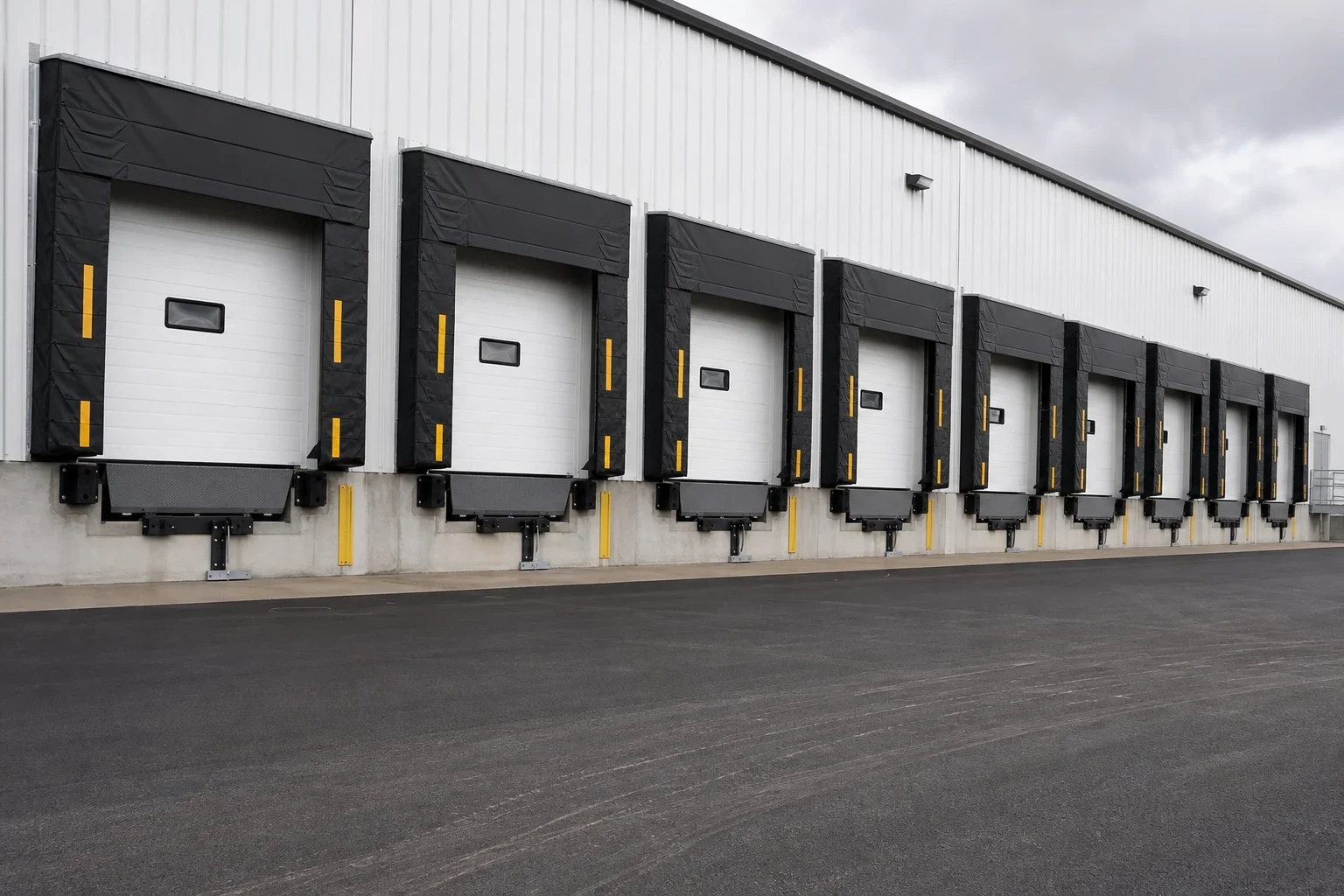
Get dock equipment specified before you order
Tell us what crosses your dock and what keeps breaking. We will measure, check the code items and put a line-item quote in your hands.